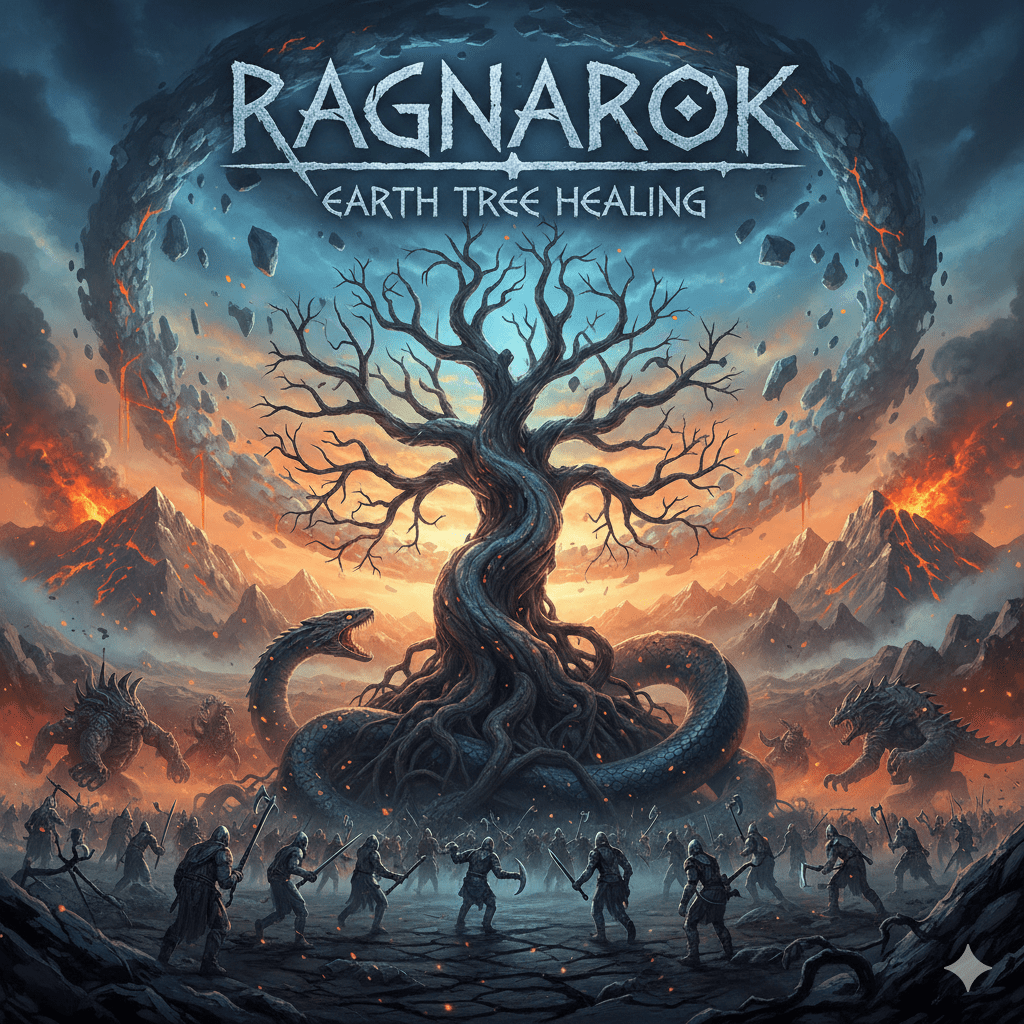
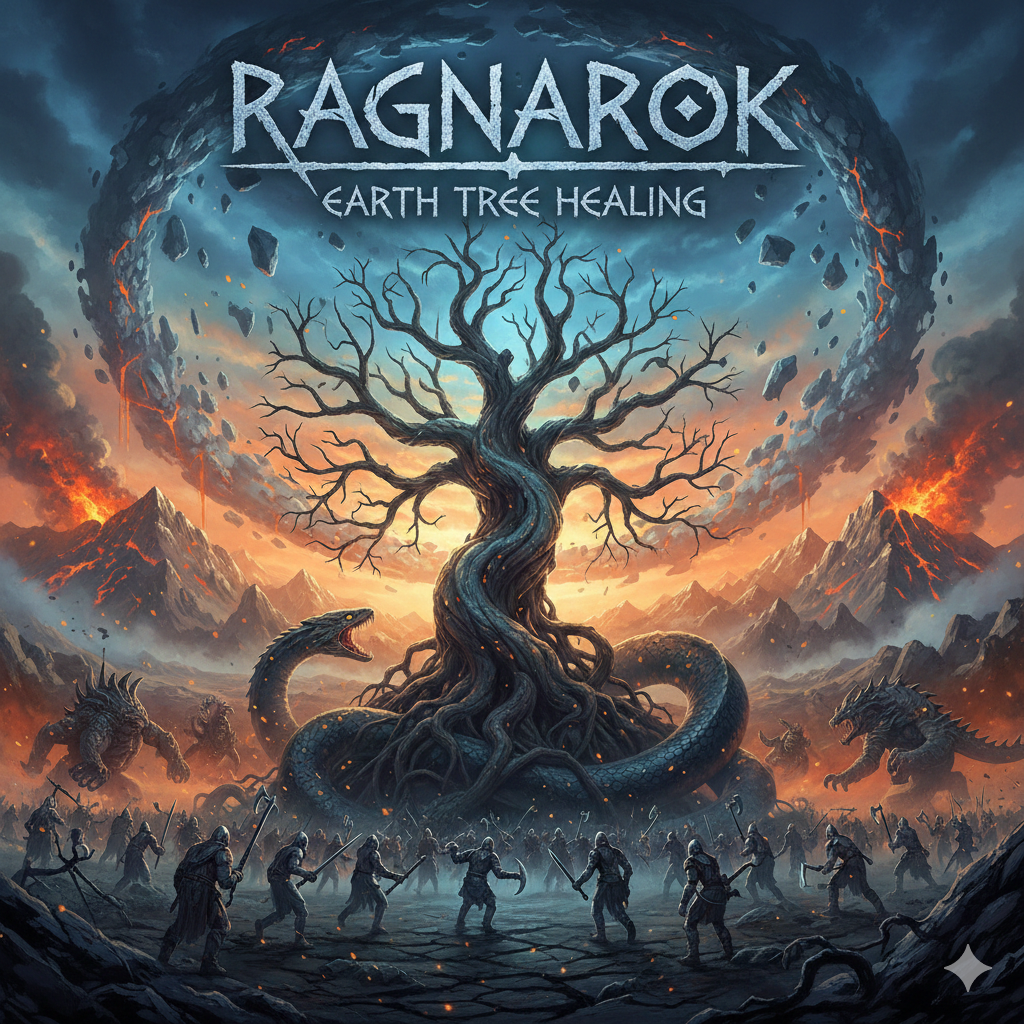
RAGNAROK — New Album by Earth Tree Healing (Out April 30th, 2026)
On April 30th, 2026, Earth Tree Healing unveils Ragnarok—an empowering original soundtrack that journeys through the mythic heart of Norse cosmology. Blending off-rhythm structures, immersive synth textures, powerful melodies, and moments of delicate beauty, this album is more than music—it is a sonic mythology.
Each track is inspired by a figure, realm, or force within Norse legend, creating a vast soundscape that feels both ancient and otherworldly. From gods and giants to the nine realms themselves, Ragnarok invites listeners into a world of chaos, transformation, and renewal.
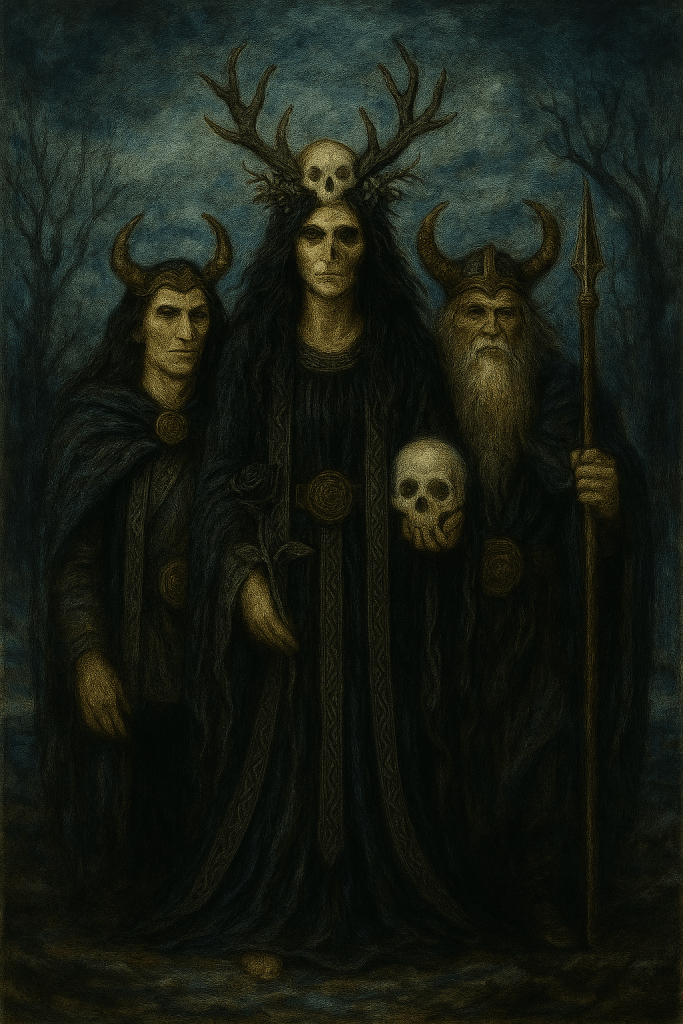
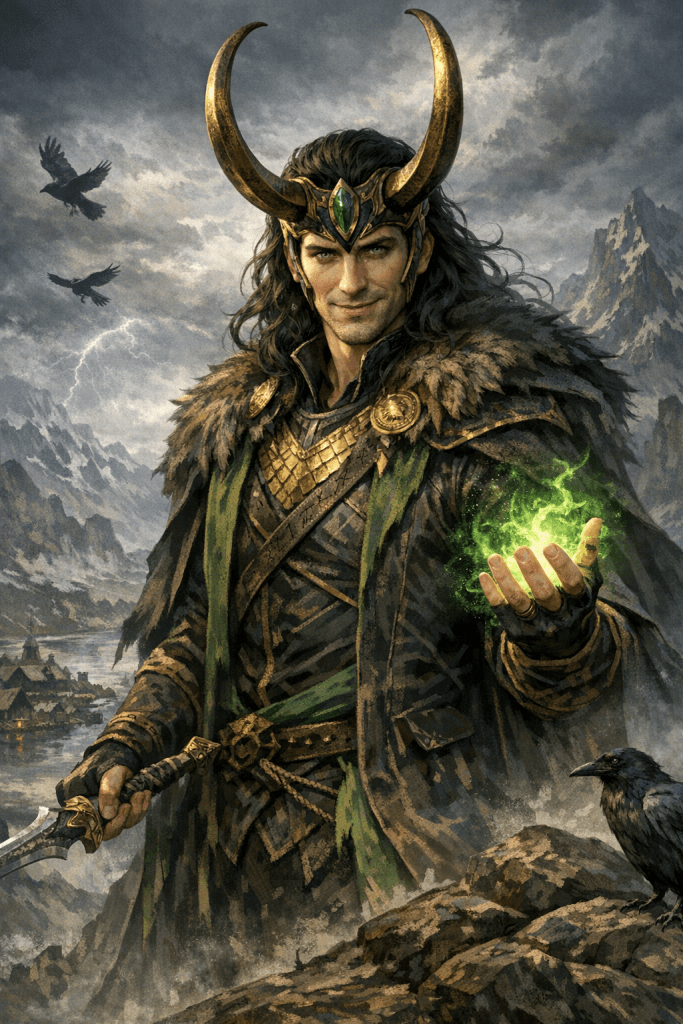
Loki
The trickster god, Loki is a shapeshifter and master of deception. Neither fully ally nor enemy to the gods, he embodies chaos and unpredictability, ultimately playing a key role in the coming of Ragnarök.
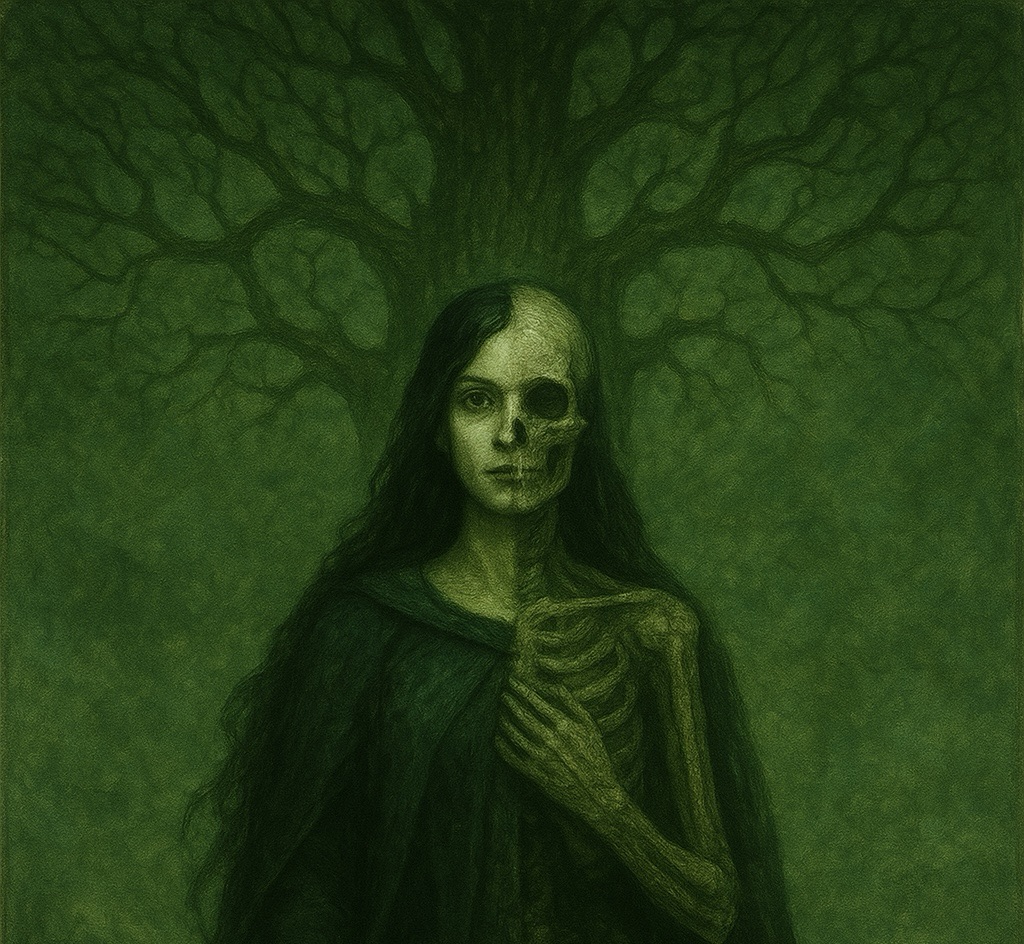
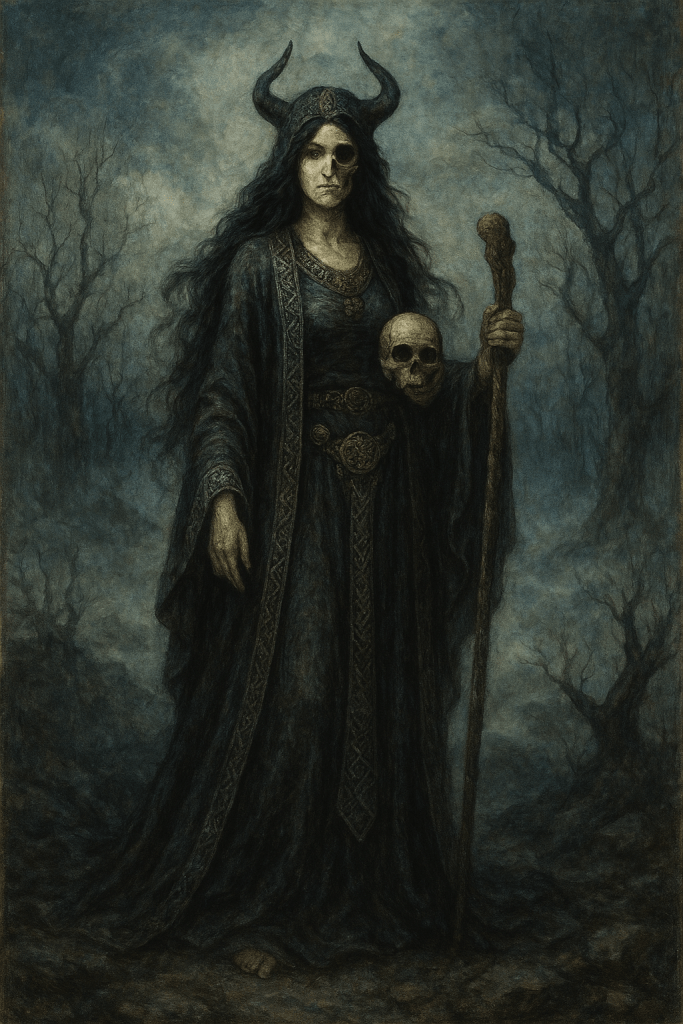
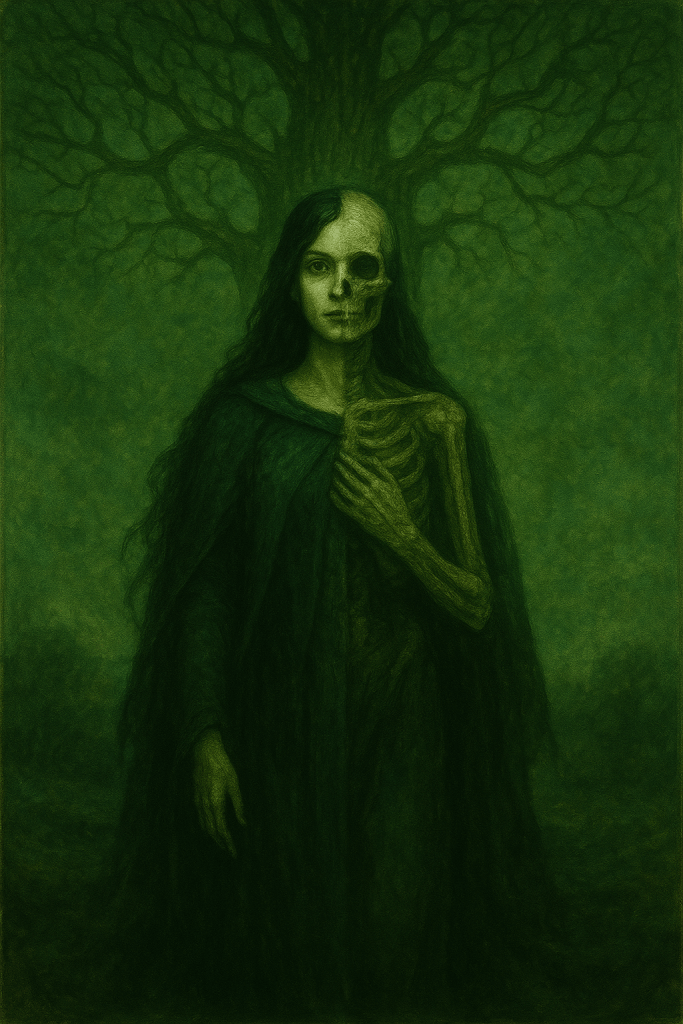
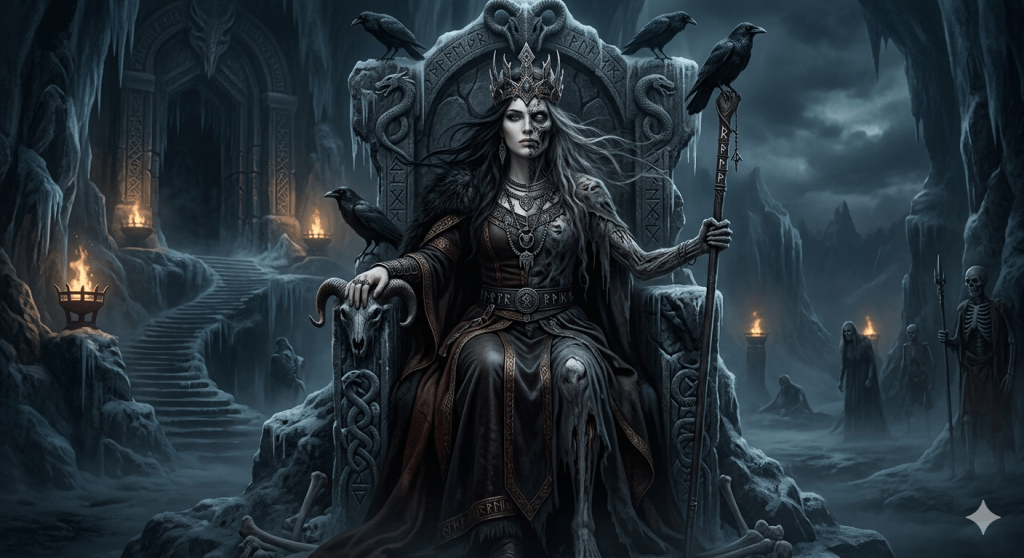
Hel
Daughter of Loki, Hel rules over the realm of the dead that bears her name. She governs those who did not fall in battle, presiding over a cold and shadowed existence.
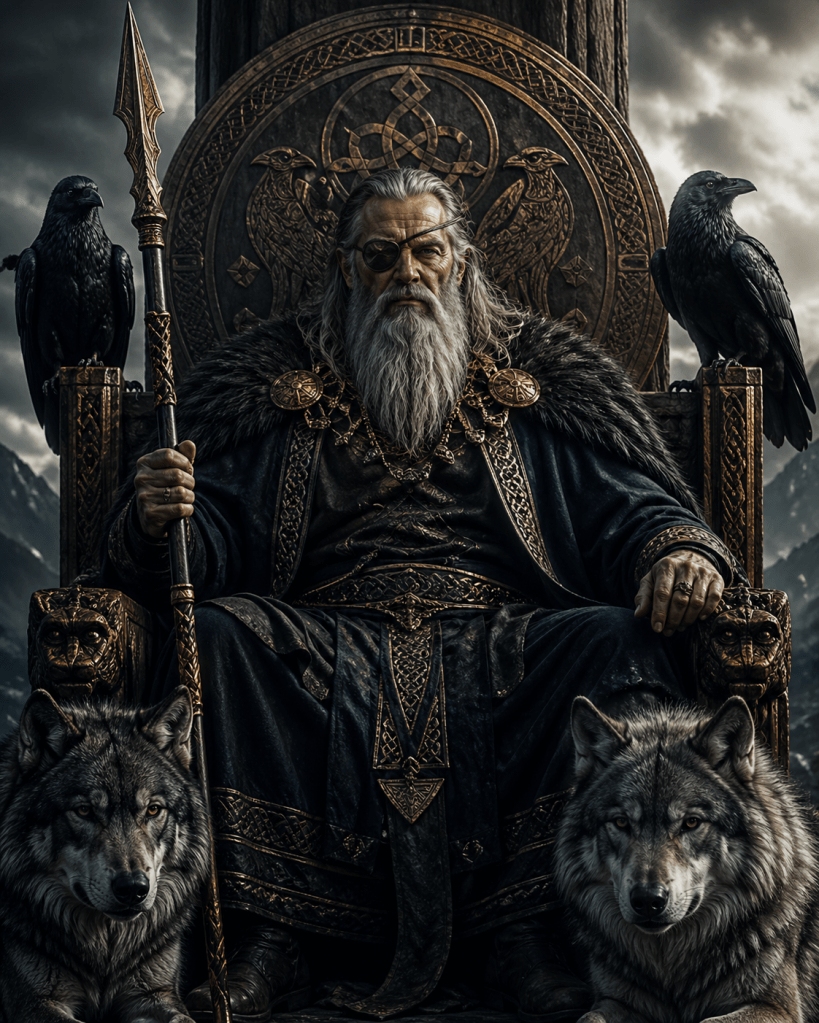
Odin
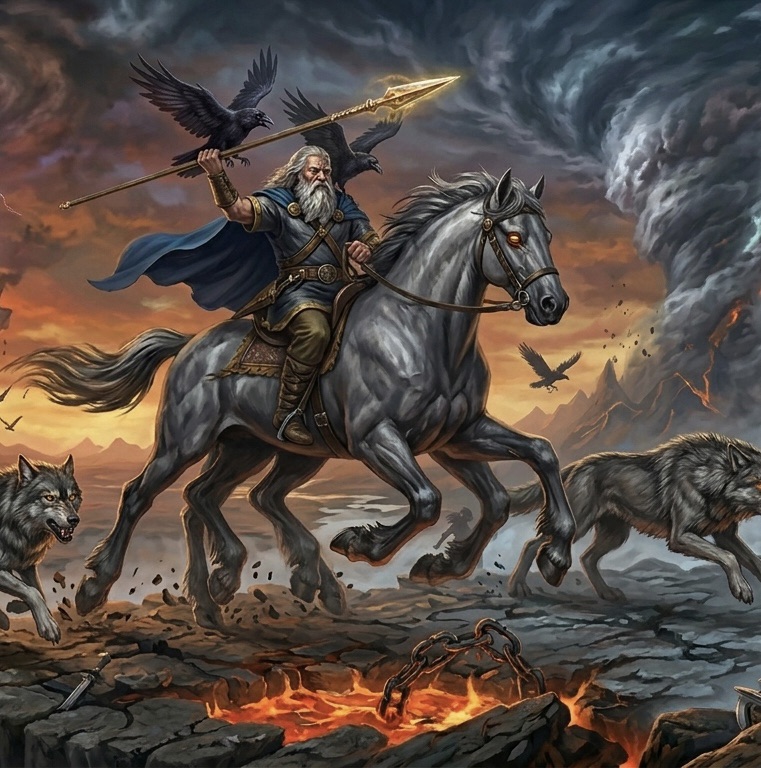
The Allfather and king of the gods, Odin is associated with wisdom, war, and death. He sacrificed greatly for knowledge, even giving one of his eyes, and prepares endlessly for Ragnarök.
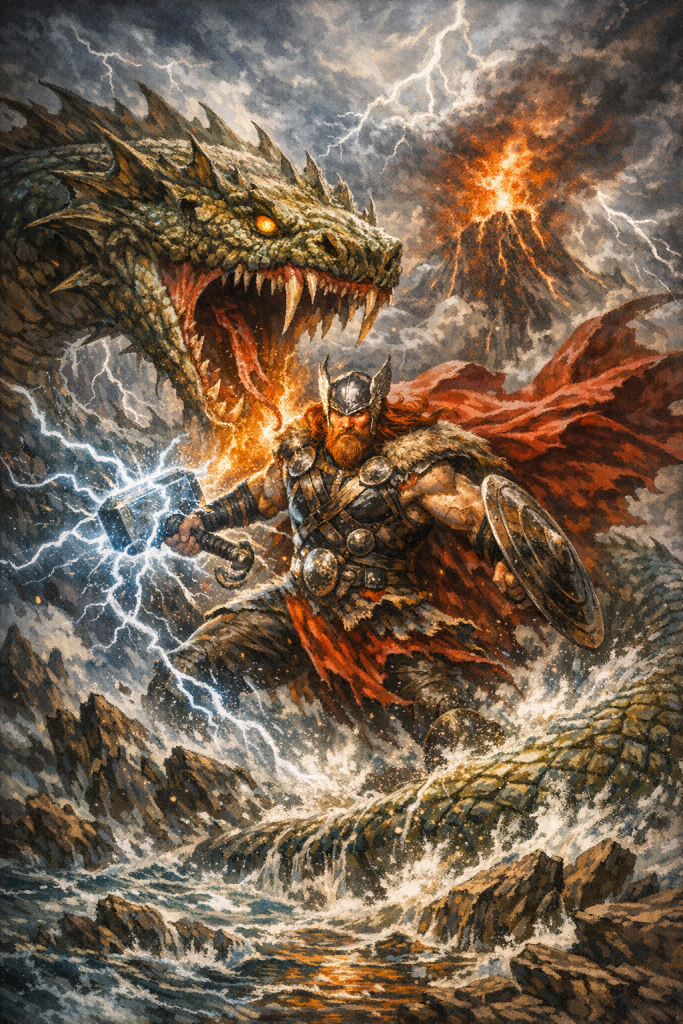
Thor
God of thunder and protector of humanity, Thor wields his mighty hammer Mjölnir. He is a fierce warrior who stands against giants and chaos, destined to face the serpent Jörmungandr.
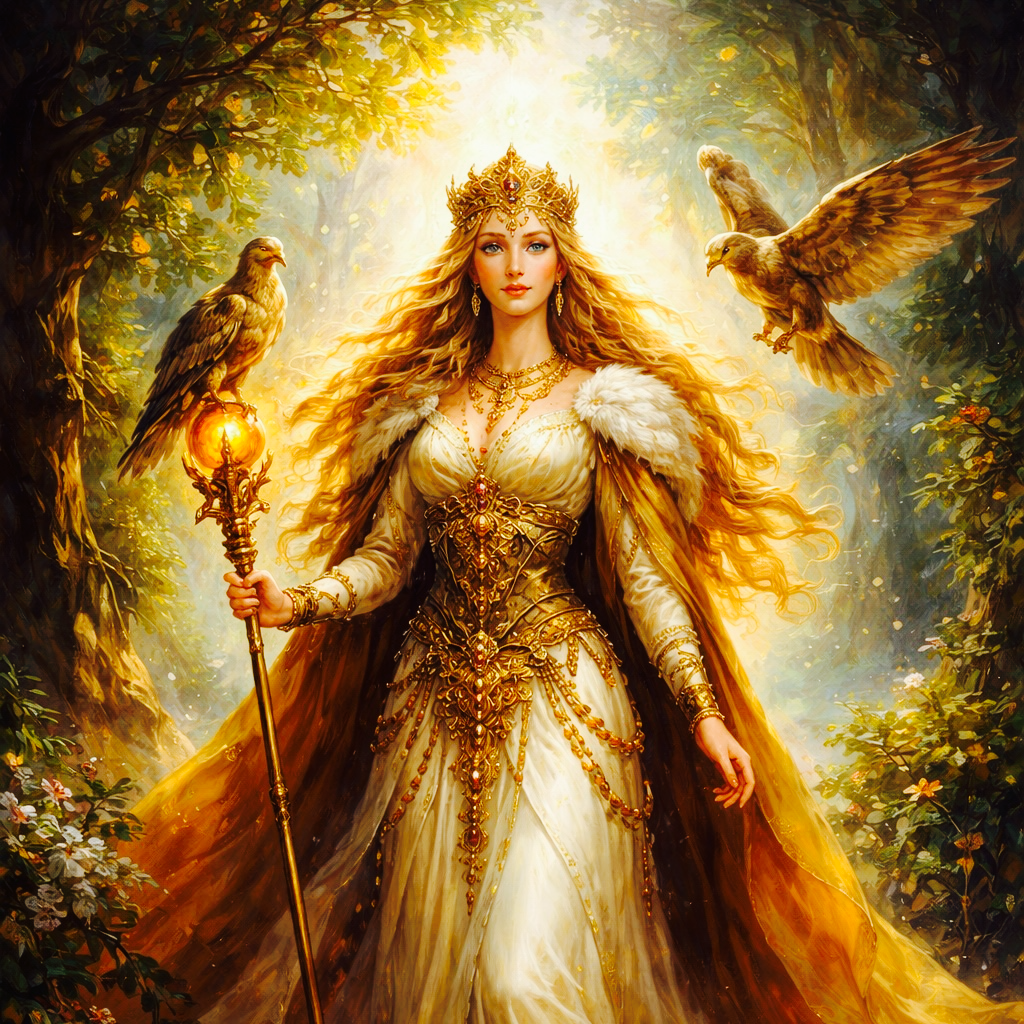
Freyja
A goddess of love, beauty, magic, and war, Freyja receives half of the fallen warriors into her hall. She is deeply connected to both life and death, embodying emotional and mystical power.
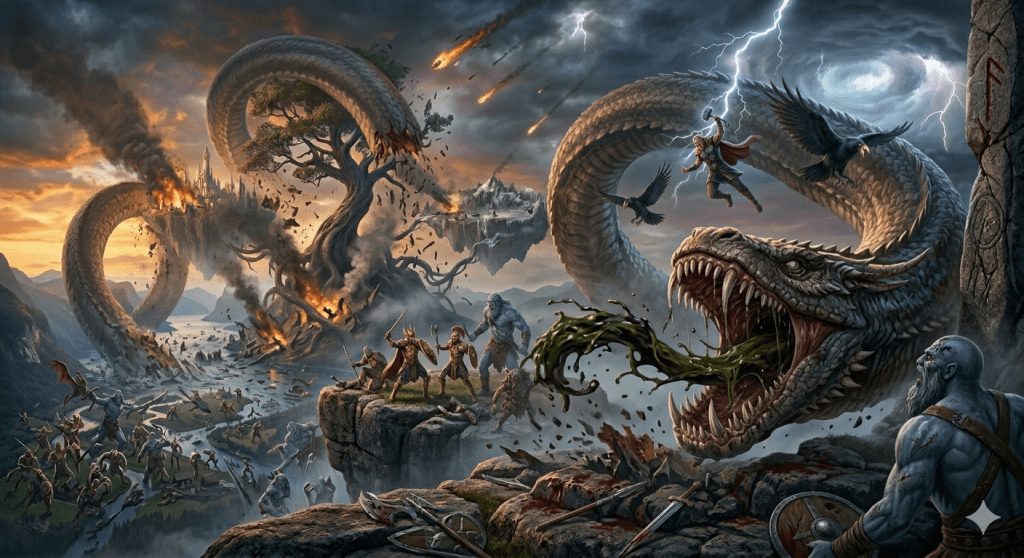
Jormungandr
The Midgard Serpent, child of Loki, encircles the world beneath the sea. Its eventual battle with Thor during Ragnarök will bring mutual destruction.
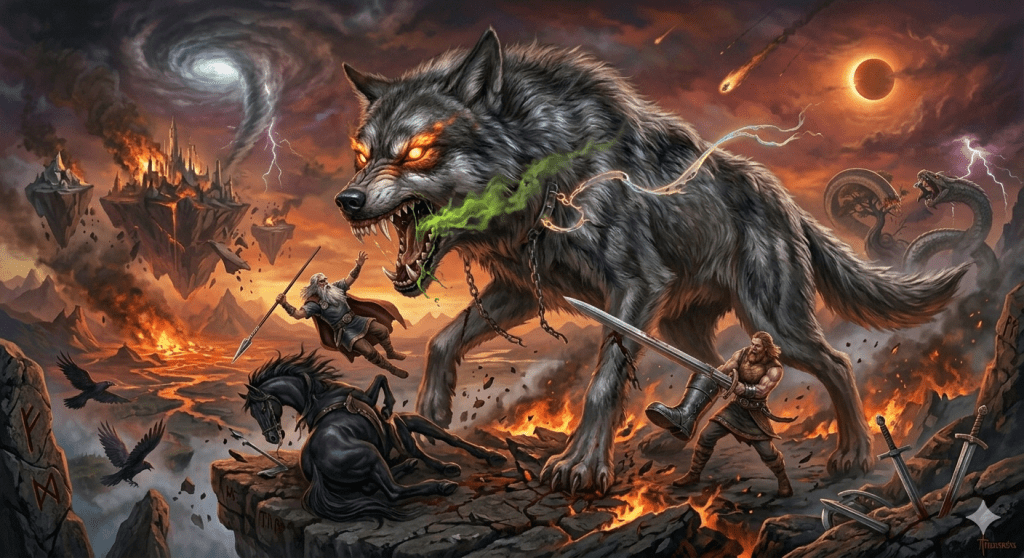
Fenrir
A monstrous wolf and another of Loki’s offspring, Fenrir is bound by the gods out of fear. At Ragnarök, he breaks free and devours Odin.
Sleipnir
Odin’s eight-legged horse, Sleipnir is the fastest of all steeds and can travel between worlds. He represents movement across realms and the connection between life and death.
Angrboda
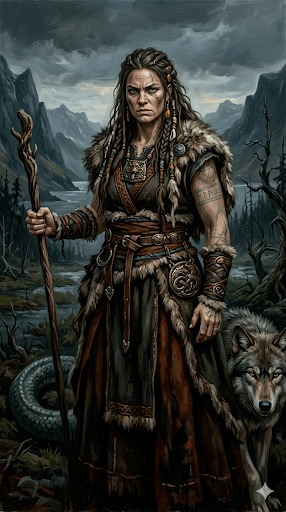
A giantess and mother of Loki’s monstrous children, Angrboda is a figure of prophecy and wild, untamed power, deeply tied to fate and the darker forces of the cosmos.
Valkyries
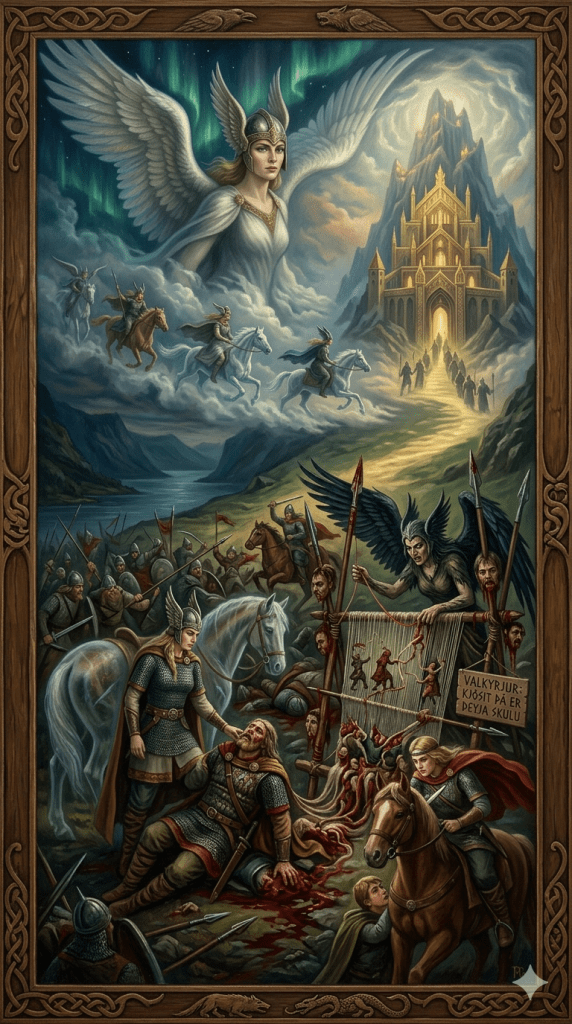
These warrior maidens serve Odin by choosing which warriors will die in battle. They guide the fallen to Valhalla, shaping the destiny of heroes.
Valhalla
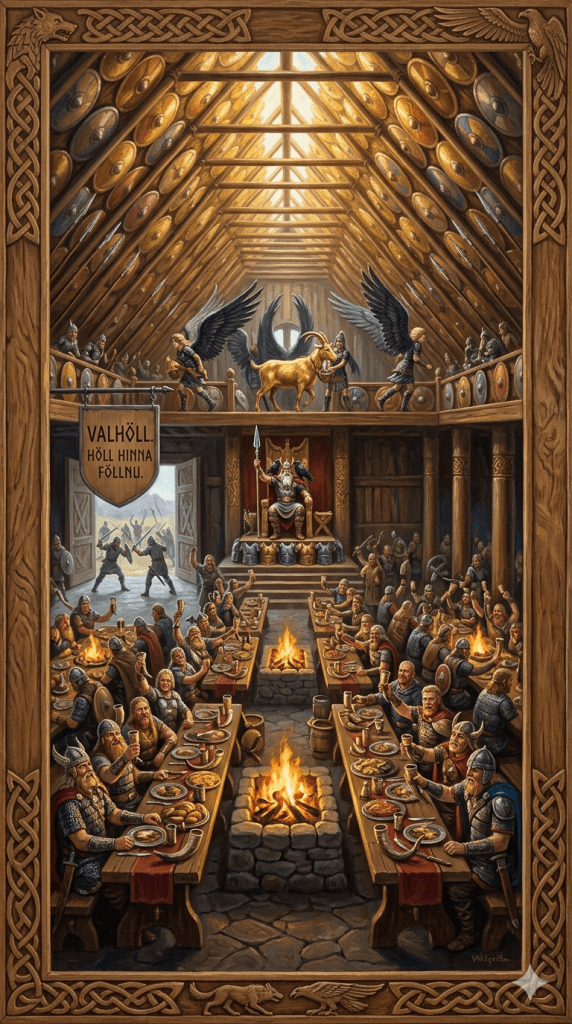
The great hall of Odin, where fallen warriors feast and prepare for the final battle. It is a place of honor, strength, and eternal readiness.
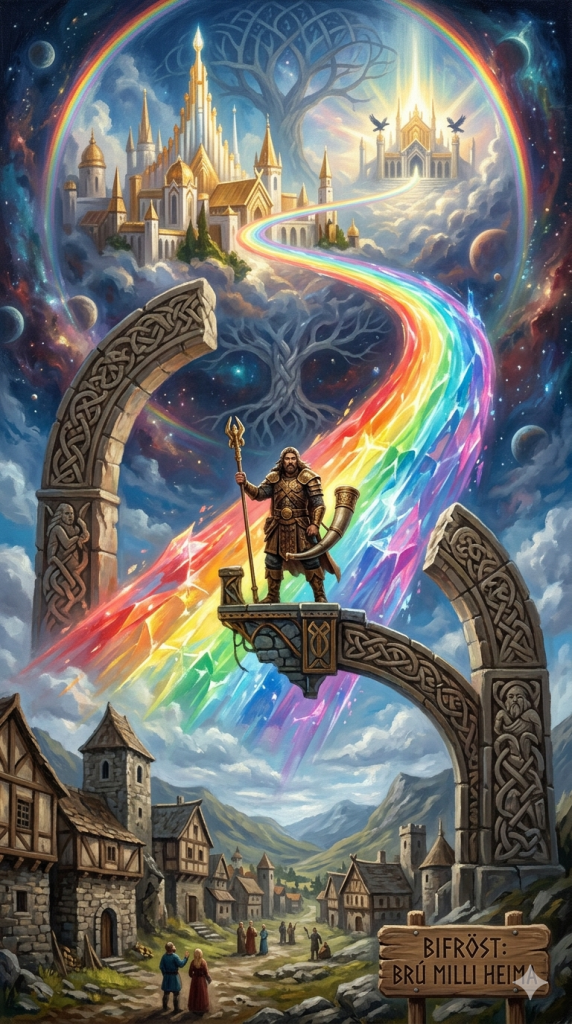
Bifrost
The rainbow bridge that connects Midgard (the world of humans) to Asgard (the realm of the gods). It is both a path and a boundary between worlds.
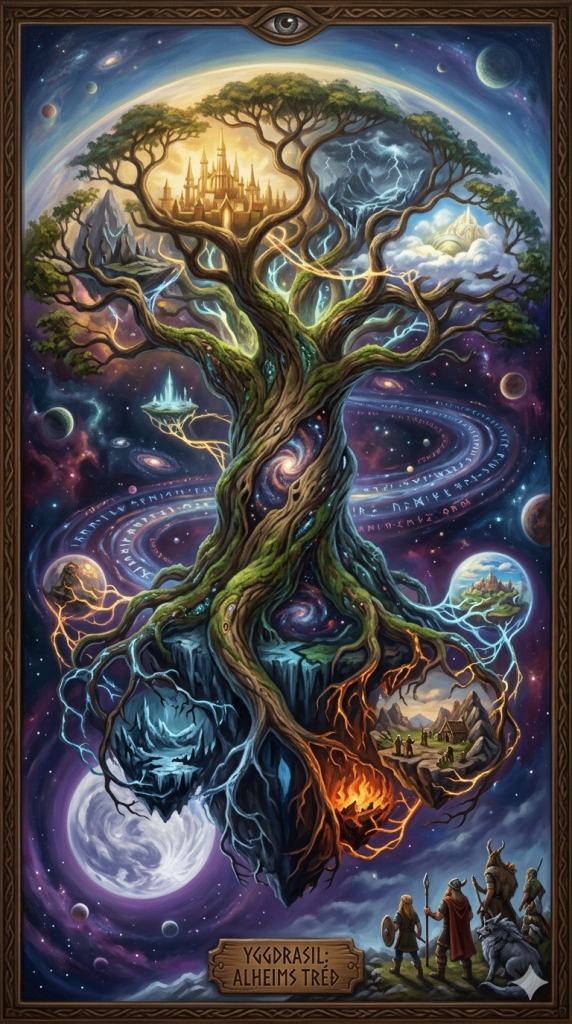
Yggdrasil
The immense world tree that connects all realms of existence. Its roots and branches stretch across the cosmos, holding together the fabric of reality.
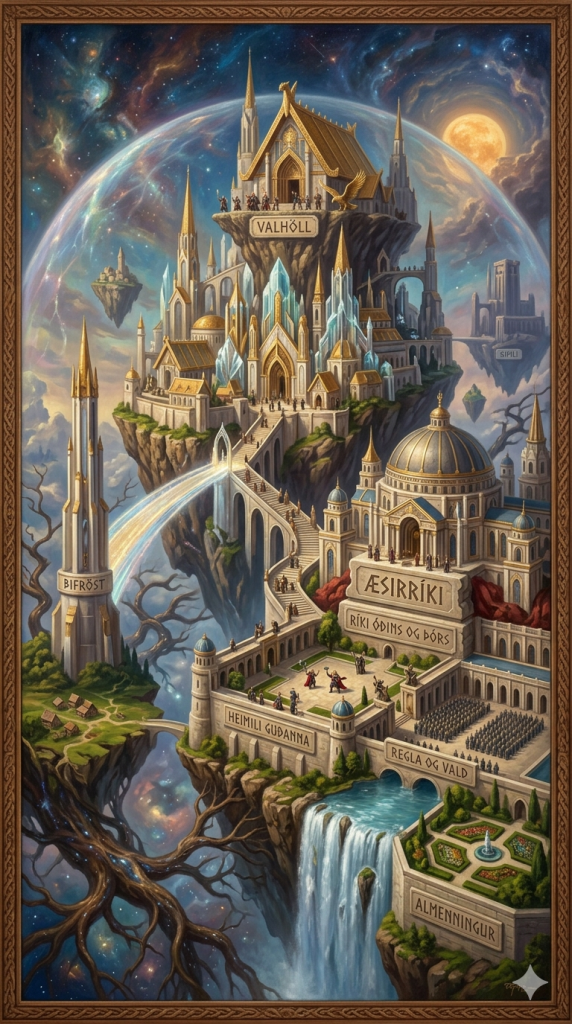
Asgard
Home of the Aesir gods, including Odin and Thor. It is a realm of power, order, and divine authority.
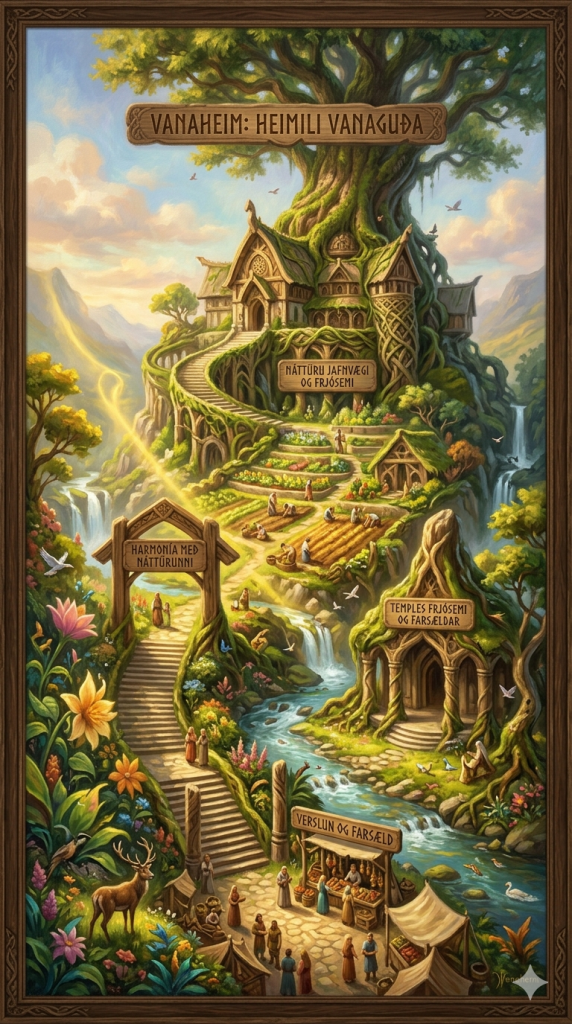
Vanaheim
The home of the Vanir gods, associated with fertility, nature, and prosperity. It represents balance and harmony with the natural world.
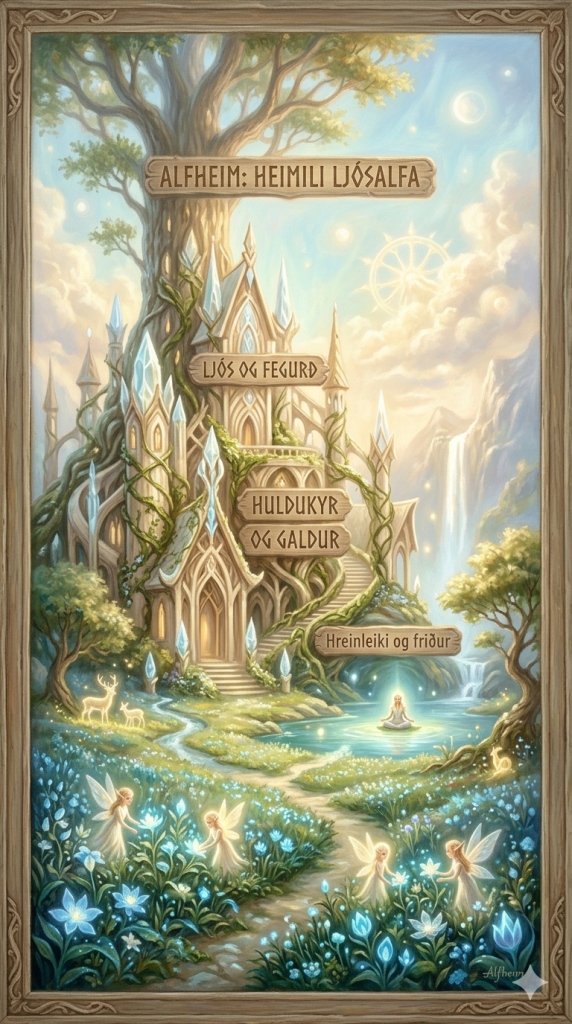
Alfheim
A realm of light and beauty, inhabited by the Light Elves. It is often associated with radiance, purity, and subtle magic.
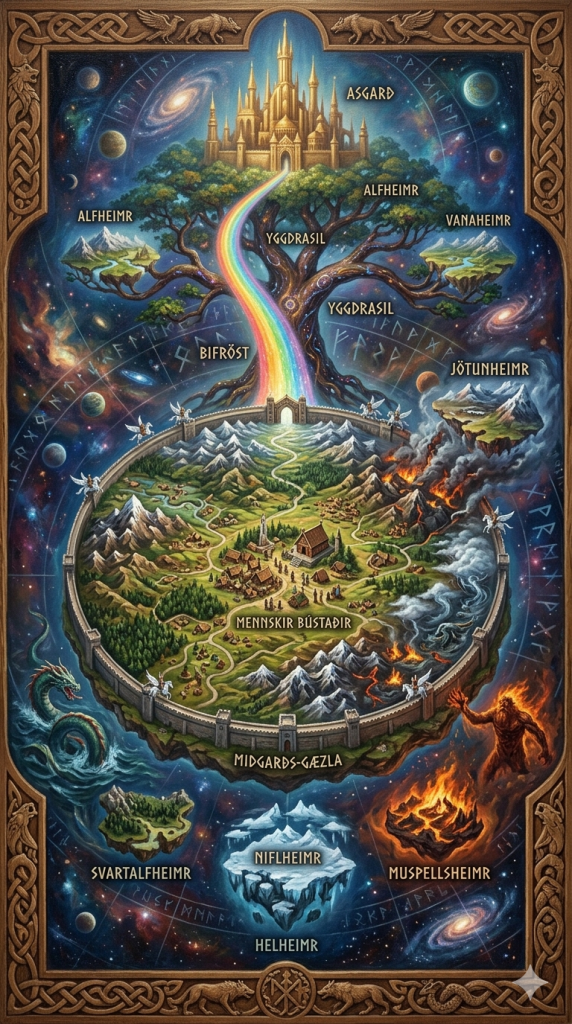
Midgard
The world of humans, situated at the center of the cosmos. It is protected by the gods but remains vulnerable to chaos and change.
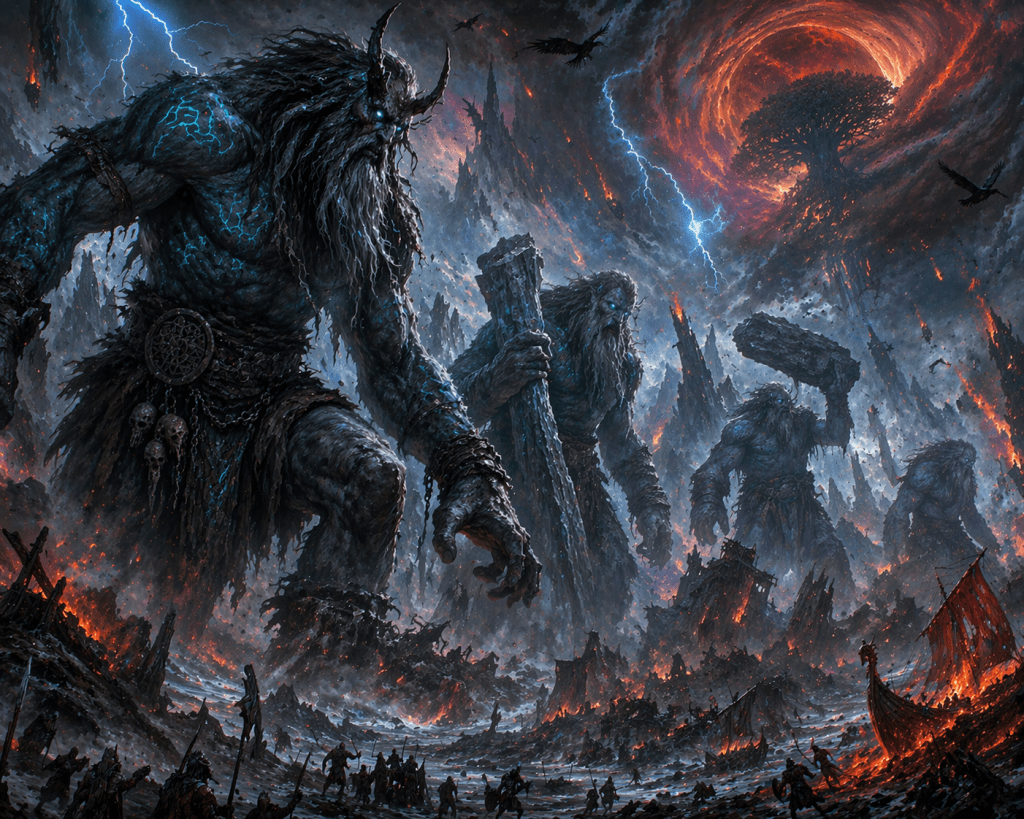
Jotunheim
Land of the giants, beings often in opposition to the gods. It is a place of raw शक्ति, wilderness, and ancient forces.
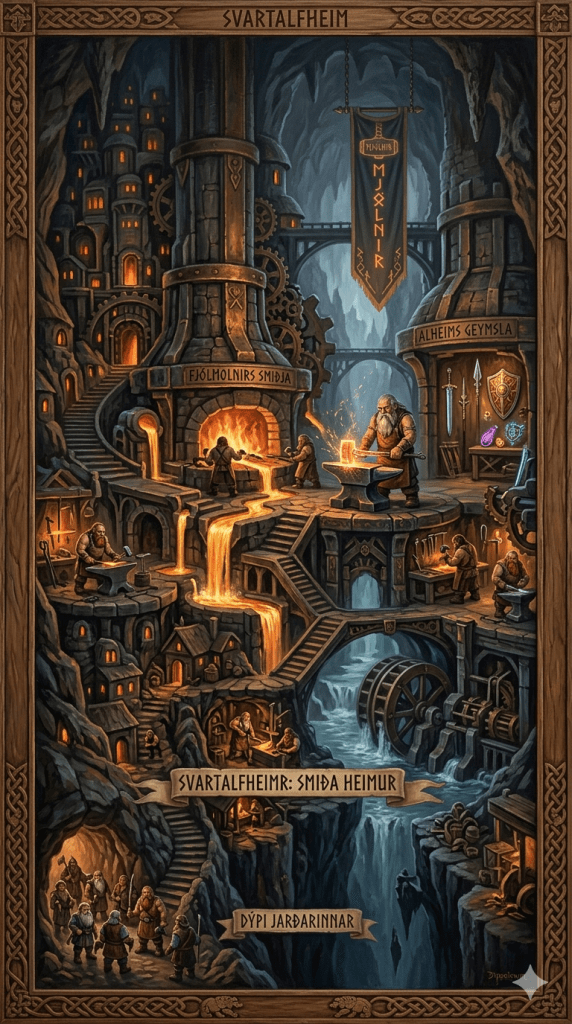
Svartalfheim
Home of the dwarves, master craftsmen who forge powerful weapons and magical artifacts, including Thor’s hammer.
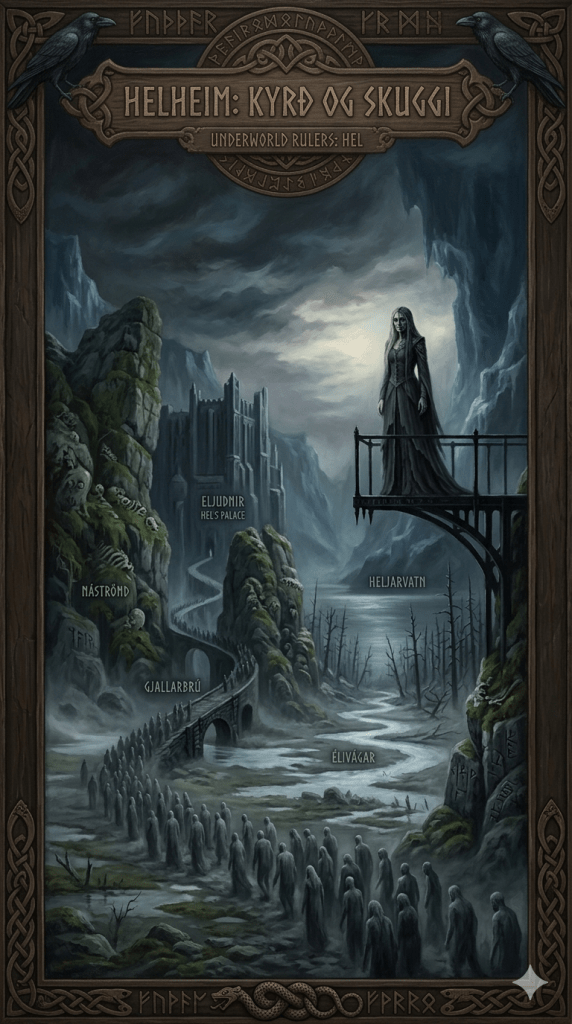
Helheim
The underworld realm ruled by Hel, where those who die of illness or old age reside. It is a place of stillness and shadow.
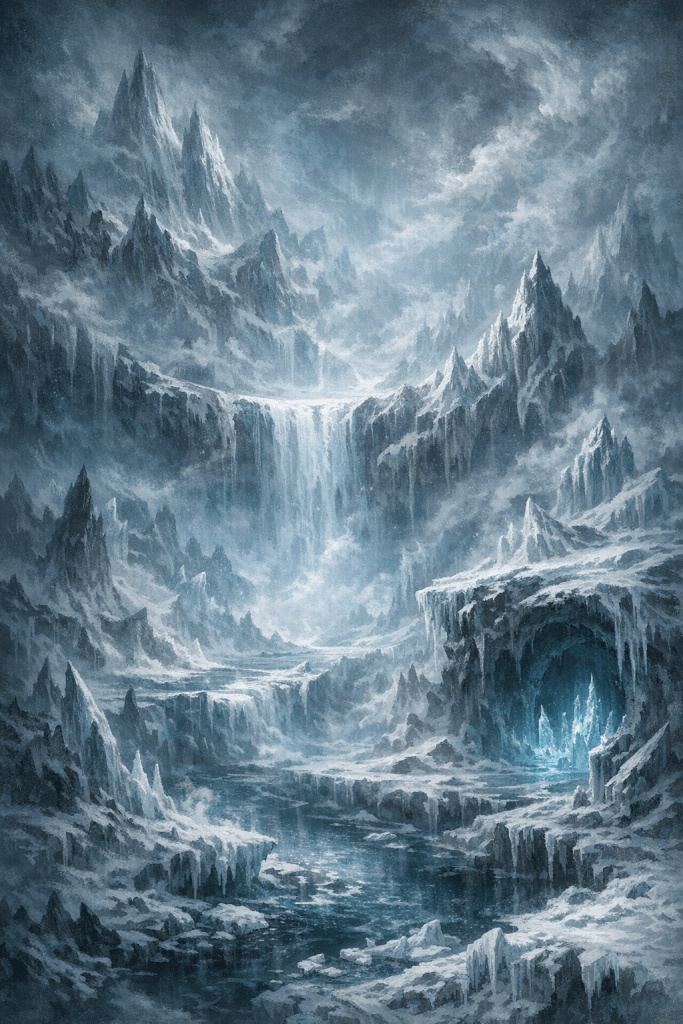
Niflheim
A primordial realm of ice, mist, and cold. One of the earliest worlds, it represents the frozen origins of existence.
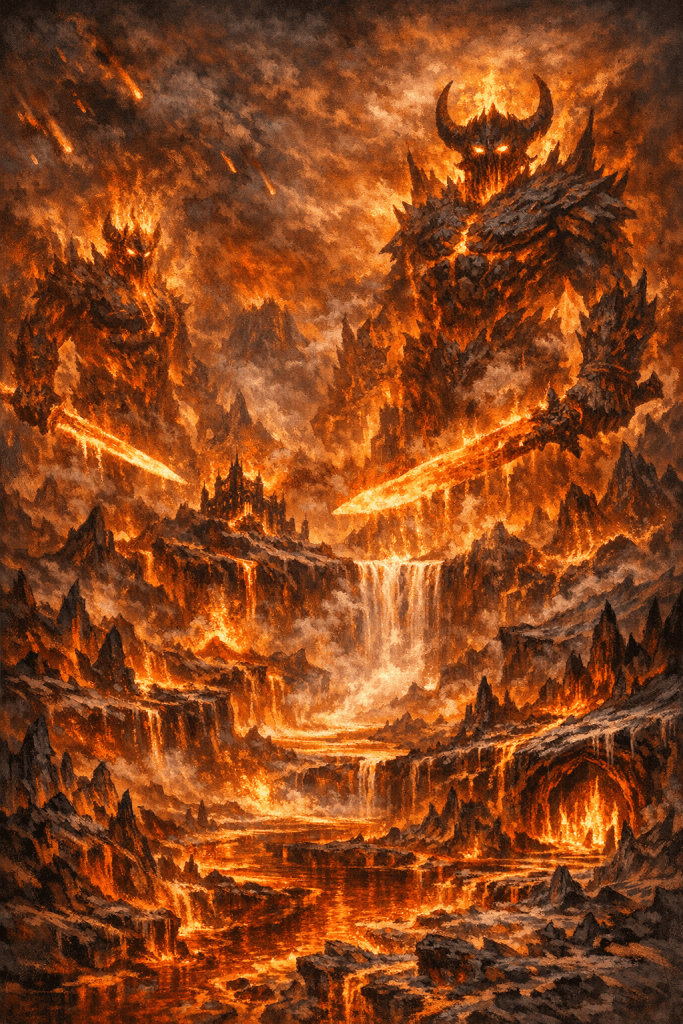
Muspelheim
A realm of fire and heat, home to fire giants. Its flames play a crucial role in the destruction during Ragnarök.
Ragnarok
The final cataclysm—the fall of gods, the destruction of the world, and its ultimate rebirth. It is both an ending and a beginning.
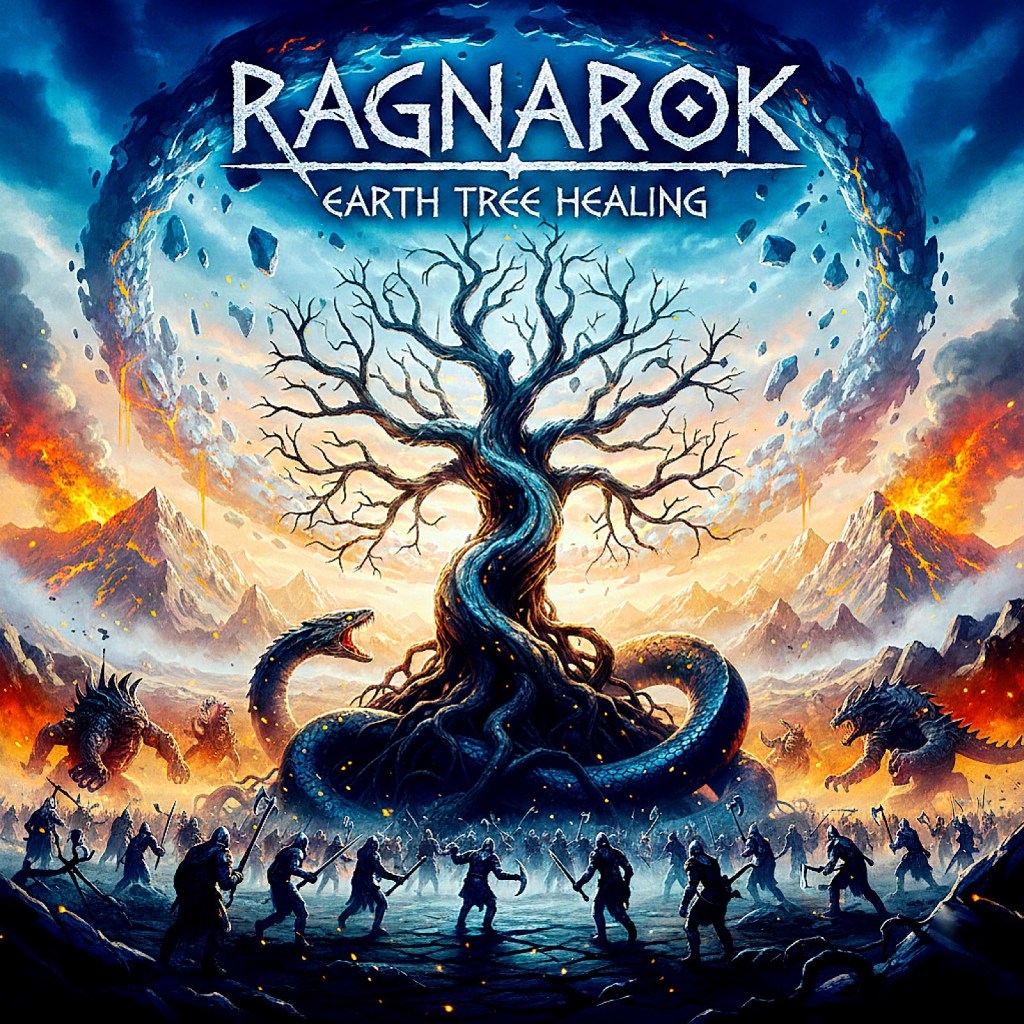
Ragnarok by Earth Tree Healing is not just an album—it is an experience. A journey through myth, sound, and transformation. With its rich layers of synth, evocative piano, and cinematic depth, it invites you to feel the rise and fall of worlds.
Available April 30th, 2026.
Music links https://linktr.ee/earthtreehealing
Watch Ragnarok videos that I’ve created during the process of the album compositional and recording here.
I thoroughly immersed myself and enjoyed created this for you. Empower and enjoy!! – Claudine